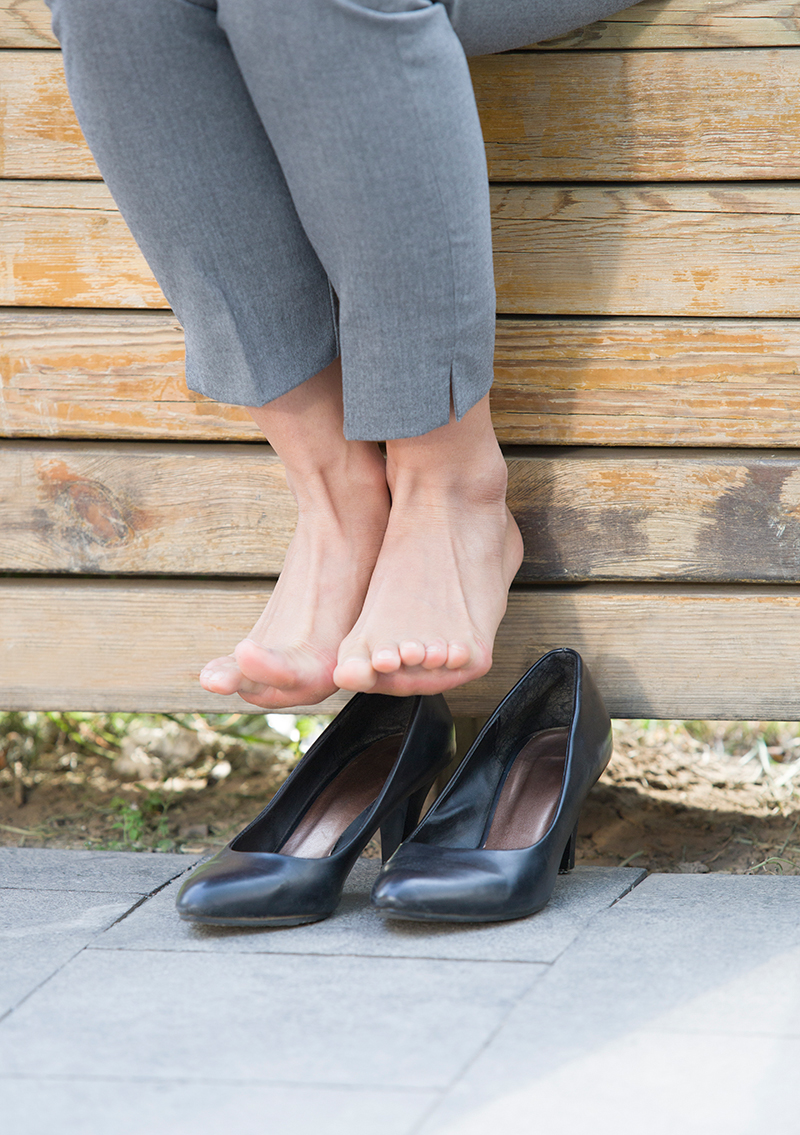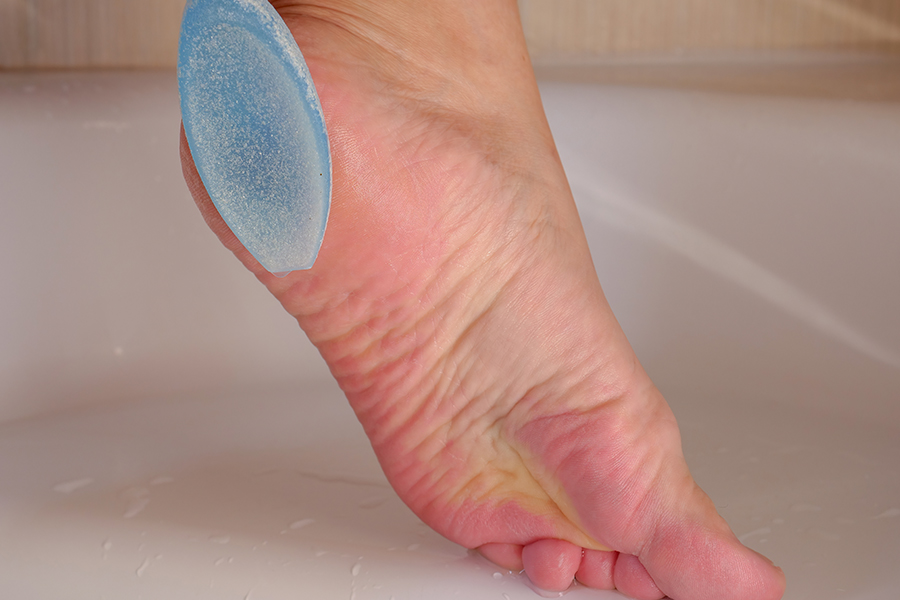
Blisters
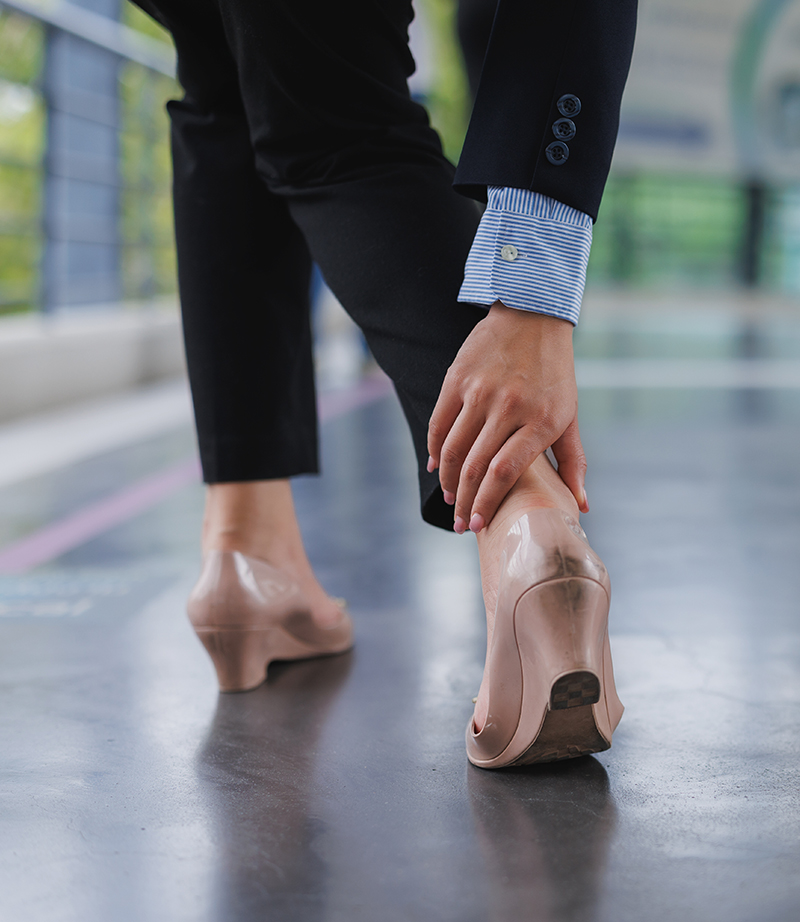
Shearing forces within layers of the skin cause irritation. If this irritation continues long enough the softer, deeper layers of skin breakdown and weep plasma. This process builds and forms the lesion that is commonly known as a blister. These causative shearing forces can arise from such things as biomechanical abnormalities (abnormal pronation), poorly fitting footwear and foreign bodies in the shoes. Shearing from skin on skin is one of the most common causes of blistering, usually between the toes where moisture, heat and compression (from footwear and sometimes swelling) can build up over time.
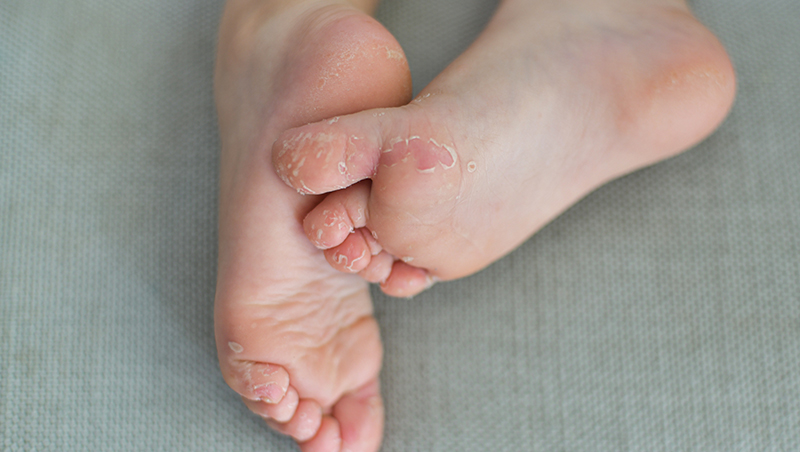
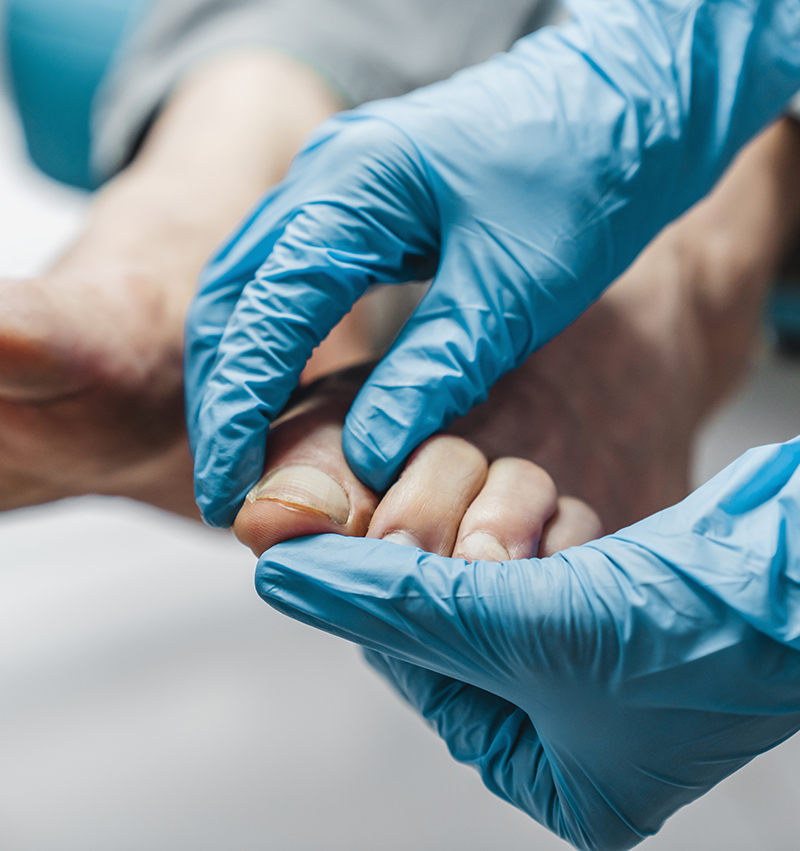
Causes and Treatment
Treatment of blisters usually consists of making the area comfortable so healing can begin, and then removing the predisposing factors that cause the blisters.
Initial treatment often involves draining the blister and leaving the skin covering attached (this will limit the amount of discomfort). If the skin covering is removed the amount of pain experienced will usually be increased. The blister can then be dressed with a sterile dressing.
Following the initial treatment, the correction of the predisposing factors can begin. This may include:
Preparing for your Event:
Socks
Shoes
Wearing-in new shoes is very important. Take your time gradually increasing your activities in them, even swap back to your old shoes frequently within the first week. The shoe needs to get used to you but more importantly you need to get used to the shoes.
Your Feet
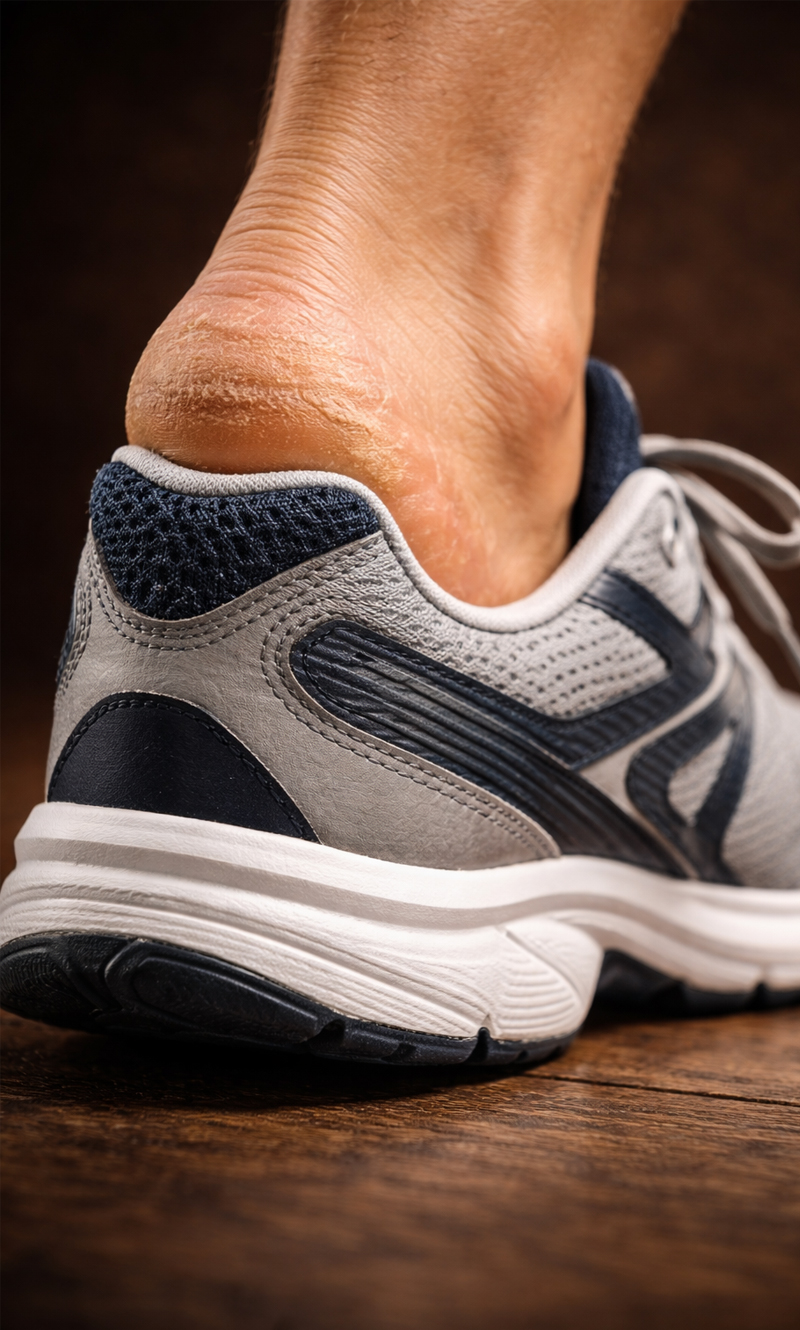
Remove heavy callus before any activity event that may be above average. A light callus protects your feet from blisters so do not shave off callus excessively. This is best performed by a podiatrist. Condition your feet to their environment. Build up your distance or intensity gradually over weeks or months prior to the event. This is imperative for the skin and also the musculoskeletal system in avoiding injury and overuse. Surgical spirits (Isopropyl Alcohol) can speed up the conditioning of skin to resist friction.
Mid-Event discomfort:
Some events have stops especially for blisters and feet problems. These are usually manned with at least one podiatrist. Alternatively or additionally there are first aid stations which are setup to provide general medical aid. Make use of these stations when you see them, even if you don’t have an immediate need as it is much better to prevent a problem than treat it. Use the stop as a place to inspect your feet and if there is a problem the podiatrist will be right there to help you.
If a blister is painful the podiatrist at the blister station will inspect it and treat it accordingly. Treatment is always an option and you may wish to discuss with the podiatrist what your options are. Treatment of painful blisters can involve:
A blister goes away on its own, if it is not hurting, don’t hurt it.
In case it is painful and hurts while walking, try draining it using a sterile needle (this is best performed by your podiatrist). Steps for this are: